
Thumbnail: Your balcony is not too small. It is exactly the right size to begin.
How to Start a Balcony Garden (Even in a Tiny Apartment)
There is a particular ache known only to people who love plants and live in small apartments. You scroll past images of cottage gardens and allotments the way other people scroll past yachts — beautiful, distant, obviously not for you. Your "outdoor space" is four feet by six, with a concrete floor, a metal railing, and a view of the neighboring building's air conditioning unit. The gardening internet seems designed for people with acres, and the houseplant internet keeps selling you another finicky tropical that will die by February. And yet, every spring, you stand on that tiny balcony and think: couldn't something grow here?
Yes. Emphatically, joyfully, yes. A balcony is not a failed garden; it is a complete one at a different scale. Some of the most abundant food gardens in the world exist on apartment balconies and rooftops, in containers, in cities, tended by people with no land and no experience. A four-by-six balcony can produce a season's worth of salads, a pot of basil that outlives the summer, a cherry tomato plant that becomes a small daily event, and — the real harvest — a living, green corner of the world that is entirely yours. This guide walks you through the whole thing, from reading your light to eating your first home-grown leaf, with zero experience and a beginner's budget assumed throughout. Let's grow.
Part 1: Read Your Balcony First (Light Is the Whole Game)
Every gardening failure story begins the same way: someone bought a plant they loved and put it where they had space, instead of where it needed to live. On a balcony, the single variable that decides everything is light. Before you buy a single seed, spend one ordinary day noticing your space, because balconies are microclimates — two identical balconies on different sides of the same building can be different worlds.
First, find your direction with the compass app on your phone. In the northern hemisphere, a south-facing balcony is the jackpot: long, direct sun, the territory of tomatoes and peppers. East gets gentle morning sun and afternoon shade — wonderful for leafy greens and many herbs, and kinder in hot summers. West gets the hot afternoon blast — great for sun lovers, but thirsty. North gets bright but mostly indirect light — the honest home of shade-tolerant greens, mint, parsley, and leafy ornamentals. Then note the shadows: a tall neighbor can steal three hours of your theoretical sun, and a balcony recessed deep into the building behaves shadier than one that juts out.
The simple field test: on a clear day, glance out at 9 AM, 1 PM, and 5 PM, and note whether your floor is in direct sun at each. Six or more hours of direct sun means full sun — you can grow the fruiting stars. Three to six hours is partial sun — the kingdom of salads, herbs, and strawberries. Under three hours is shade — where mint, parsley, chives, some lettuces, and lush ornamentals still thrive. Write your number down. It is the key that unlocks every plant label you will ever read, because those little tags — "full sun," "part shade" — are not suggestions. They are the plant's entire biography.
The Other Three Readings: Wind, Weight, and Water
Balconies are also windy, and wind is the beginner's invisible thief — it dries pots fast, knocks things over, and stresses young plants. Notice your balcony's gustiest corner; you'll keep the tallest pots low and sheltered there, or add a simple screen later. Weight is the adult in the room: wet soil is heavy, and buildings have limits, so favor lightweight fabric or plastic pots and soilless mix over giant ceramic planters, and never line the entire floor with stone without checking your building's rules. Finally, water and drainage: know where your watering can will live, and plan for drainage — saucers under every pot, and watering carefully so the neighbor below never receives your runoff. Balcony gardening is, quietly, a diplomatic art.
Part 2: The Tiny-Space Mindset (Grow Up, Not Out)
The mental shift that unlocks small-space gardening is one sentence: on a balcony, you grow up, not out. Your floor area is tiny, but your walls, your railing, and your air column are not. A railing planter turns the metal edge into a salad bar. Hanging pots and wall pockets claim the vertical space nobody uses. A narrow shelf unit triples a corner. A trellis lets one cucumber or a handful of pea vines climb six feet while occupying a pot the size of a bucket. Thought vertically, a four-by-six balcony is not twenty-four square feet; it is closer to sixty.
And embrace the deeper philosophy of container gardening, because it is not a compromise — it is a superpower. In containers, you control the soil, which means no weeding, no bad native dirt, no ground-born diseases. You control the position, which means the whole garden can shuffle two feet to follow the sun or hide from a heatwave. You control the boundaries, which means aggressive plants (looking at you, mint) stay politely in their own pots. And when you move apartments — as renters do — the garden simply moves with you, pot by pot, like a family. Renters, hear this clearly: a container garden is the only garden that signs the lease with you.
Part 3: The Only Gear You Need (A Starter Kit Under $100)
Resist the garden-center trance. You need five things, and most can be found cheap, secondhand, or reused.
- Containers with drainage holes. Drainage is non-negotiable; a pot without holes is a drowning pool. Size is kindness: bigger pots hold more moisture and forgive a missed watering, so go as large as your space and strength allow — five to seven gallons for a tomato, one to two gallons for herbs and greens. Fabric grow bags are light, cheap, and breathe beautifully; rail planters with built-in brackets claim the railing; and yes, that bucket, crate, or olive tin in the recycling can become a pot the moment you drill holes in its bottom.
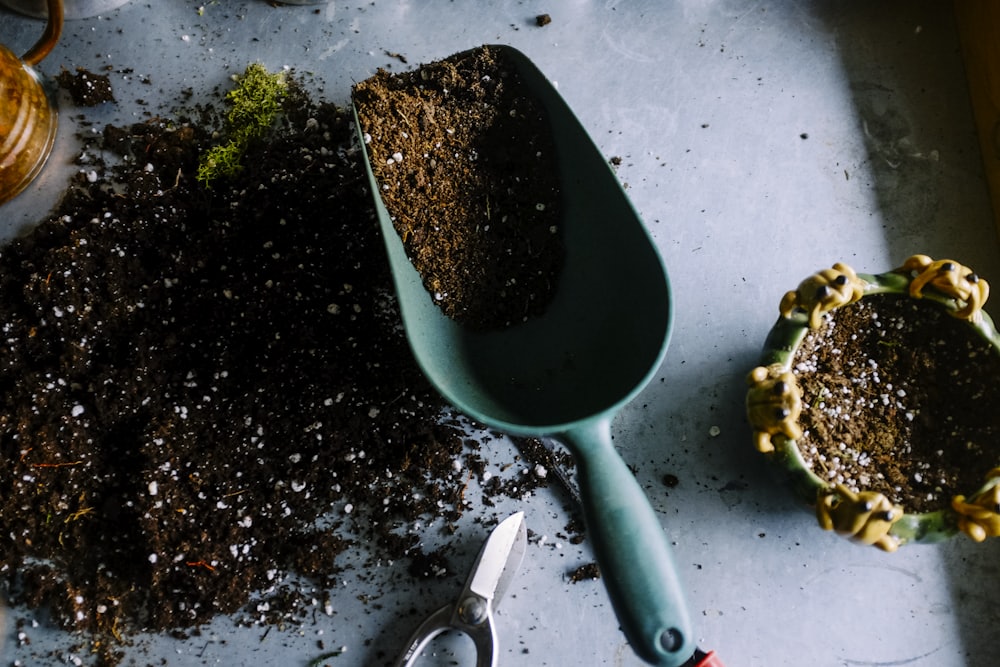
- Potting mix, not garden soil. Bagged "potting mix" or "container mix" is fluffy, soilless, and drains well; dirt from a park compacts into concrete and arrives with weeds and mysteries. A big bag costs little and is the single best purchase in this whole guide.
- A simple fertilizer. Containers are hungry because watering washes nutrients out. One bag of organic slow-release granules, or a bottle of liquid feed used every couple of weeks, covers a season.
- A watering vessel. A small can, or a reused jug with holes poked in the cap. Gentle flow, aimed at the soil, not the leaves.
- Seeds or seedlings. Here is the beginner's secret: buy seedlings (baby plants) for your first stars — a tomato, a basil, a lettuce mix — because they skip the fragile first month and deliver instant momentum. Use cheap seed packets for the fast, fun crops like radishes and greens. Both belong in a balcony garden; seedlings are confidence, seeds are wonder.
That's the kit. Skip the gadget shelves — no moisture meters, no smart planters, no $60 trowel. A spoon transplants seedlings perfectly well, and your two hands are the original garden tools.
Part 4: What to Grow (The Beginner's Shortlist, by Your Light)
Match the plant to the light you actually have, and the garden mostly raises itself. Here is the honest shortlist.
If You Have Full Sun (6+ Hours)
This is fruiting country. Choose cherry tomatoes in patio or dwarf varieties — the labels to hunt for are "patio," "bush," "dwarf," and "container" — because they stay compact and fruit generously in a pot. Add chili peppers or a small sweet pepper, a pot of basil that will out-produce any store pack, and Mediterranean herbs like rosemary and thyme that adore the heat and forgive neglect. Strawberries in a rail planter are a delight, and a trellised pea or cucumber vine turns sunlight into architecture.
If You Have Partial Sun (3–6 Hours)
This is salad country, and salad country is where balcony gardens quietly win. Loose-leaf lettuce mixes grown "cut-and-come-again" (you snip outer leaves and the plant keeps making more) will feed you bowls for months. Spinach, kale, arugula, and scallions thrive here; radishes go from seed to snack in about a month, which is pure magic for beginners and children. Herbs like parsley, chives, mint (alone in its pot!), and cilantro are happy, and strawberries will fruit decently. Your harvests will be leaves rather than fruits — and leaves, harvested thirty seconds before eating, are honestly the best-tasting thing a garden makes.
If You Have Shade (Under 3 Hours)
Shade is not a dead end; it's a different garden. Mint, parsley, chives, and leaf lettuces will grow, slower and gentler, and the balcony becomes a lush, cool room of ferns, ivies, and foliage that makes morning coffee feel like sitting inside a jungle. Grow the edibles you can, love the green you must, and remember: a shade balcony full of living leaves beats a sunny balcony full of dead ambitions.
Your First Three Pots
If choosing feels heavy, take this exact prescription: Pot 1, a herb you cook with (basil for sun, mint or parsley for shade). Pot 2, a cut-and-come-again lettuce or salad mix. Pot 3, your star — a patio cherry tomato if the sun allows, strawberries if partial. Three pots, three kinds of joy: the daily pinch, the weekly bowl, and the small daily event of a ripening fruit. That is a garden. That is enough. That is the whole door opening.
Part 5: Planting Day (One Gentle Hour)
Choose a mild morning. Fill each pot with moist potting mix to about an inch below the rim — and skip the old "gravel layer at the bottom" advice; modern gardening knows it actually worsens drainage, so let the mix run clean to the holes. For seedlings: make a hole the size of the root ball, set the plant in at the same depth it was growing, firm the soil gently around it, and water slowly until water runs from the drainage holes. For seeds: sow shallowly (the packet will say how deep — usually two or three times the seed's own width), cover lightly, and mist. Then label everything — a popsicle stick works — because memory is optimistic and seedlings are anonymous.
One kindness for new seedlings: they've likely lived a sheltered greenhouse life, so give them a soft landing. For their first three or four days on the balcony, place them in gentle light rather than the fiercest sun, and shelter them from strong wind. This mini "hardening off" is the difference between a plant that sulks for two weeks and one that simply settles in and grows. Water them after planting, put the kettle on, and go admire your farm. It is already working, down in the dark, whether you can see it or not.
Part 6: The Two Daily Habits (Water and Wander)
Balcony gardening runs on two five-minute habits, and they are the entire job.
Habit one: water by feel, not by schedule. Push a finger an inch into the soil; if it feels dry there, water slowly and deeply until it runs from the holes. If it's damp, walk away. Morning is the golden hour to water — plants drink before the heat, and foliage dries before nightfall, which discourages disease. Learn the two classic warnings: in summer, wind and sun can dry a small pot in a day, so check daily in heatwaves; and remember that overwatering kills more container plants than underwatering — yellowing leaves and permanently soggy soil mean love is drowning the roots, so let the pot dry and forgive yourself. For away-weekends, improvise: a jug with a few pinholes in its base drips slowly into the soil, and pushing pots into shade buys days.
Habit two: the daily wander. Five minutes with your coffee, looking — really looking. Turn a leaf over (pests hide beneath). Pinch off a yellowing leaf. Deadhead a spent flower, which tells the plant to make more. Harvest a little, even when you don't need it, because harvesting is how you talk to herbs: pinching basil just above a pair of leaves doesn't take from the plant, it instructs it to branch into bushiness. And take a photo once a week; the gallery of your own growing season is half the joy, and the other half is learning. These wanderings are not chores. They are the relationship. Ask any gardener what they actually do out there and the honest answer is: they visit.
Part 7: Three Real Tiny-Balcony Layouts
The railing-only balcony (no floor space): bracket-mounted rail planters along the edge for lettuce and strawberries, two hanging pots for a trailing herb or cherry tomato, and a vertical pocket organizer on the wall for herbs. Total floor used: zero. Total garden: real.
The two-by-three corner: one large pot for the star tomato, a narrow two-tier shelf holding four smaller pots of herbs and greens, and a rail planter for salads. The shelf doubles the corner; the tomato doubles as shade for the lettuce below it in hot afternoons — small gardens love stacking functions.
The Juliet balcony (no standing room): a window-box on the outside sill (bracketed securely), a rail box, and a tall, narrow trellis of peas or morning glories for the vertical view. You garden from the doorway, arm's length, like tending a ship's rail — which, on a high floor with wind in your hair, is exactly what it feels like.
Whatever the layout, two safety rules: secure anything attached to railings with proper brackets and check the fixings twice a season, and keep heavy pots near walls rather than at the outer edge. The garden should be a joy the building never has to worry about.
Part 8: Pests, Problems, and the First Heartbreak
Every garden, at any scale, has visitors. The common ones on balconies are almost comically manageable. Aphids — tiny green clusters on new growth — lose to a firm jet of water from a spray bottle, repeated for a few days, or a gentle insecticidal soap. Fungus gnats — the little flies in overwatered pots — leave when you let the surface dry. Spider mites love hot, dry, dusty corners; humidity and a good rinse discourage them. And if pigeons develop an interest in your lettuce, a dollar-store net draped over hoops settles the dispute diplomatically.
The classic growth complaints have classic answers. Leggy, stretching plants are begging for light — move them or accept the shade menu. A tomato flowering but never fruiting may lack pollinators up on your balcony; the fix is charmingly low-tech — give the flowering stems a gentle shake every day or two, and you become the bee. Blossom-end rot (a black patch on a tomato's bottom) is usually irregular watering, not bad luck; steady moisture is the medicine. And wind-burned, floppy plants need a screen, a sheltered corner, or a staked friend.
Then, someday, a plant will die. Not maybe — it will happen, to every gardener who has ever lived, and the feeling is disproportionately sad for something so small, because it was yours and you tried. Here is the reframe that keeps gardeners gardening: a dead plant is not a verdict; it is tuition. Compost it, guess the lesson (usually light or water), and replant — the season is long, pots forgive instantly, and the next seedling costs three dollars. The garden does not keep score. It keeps offering.
Part 9: The Harvest, and the Loop That Hooks You
Harvesting is where the whole project flips from hobby to relationship. Cut lettuce outer leaves first and the center keeps growing — the "cut-and-come-again" contract. Pinch basil above a leaf pair and it doubles its arms. Pick cherry tomatoes the moment they blush fully, warm from the sun, and eat one standing there over the pot; that single fruit, grown by you on a concrete slab in the sky, will out-taste every supermarket tomato of your life, and you will understand, in your mouth, why people do this.
And the loop closes beautifully at this scale. When lettuce bolts in the heat, the pot empties and accepts autumn spinach. When frost threatens, the rosemary and the geranium come indoors to a windowsill and the garden follows you inside. At season's end, let one plant flower and save a little seed in an envelope — next year's garden, for free, grown from this year's. A balcony garden is small enough to complete, and completing it — seed to harvest to seed — gives something the acre-gardens can't: the whole circle, held in two hands.
Part 10: Renters, Rules, and Winter (The Adult Pages)
Renters, this garden is yours in a way the apartment never is: every pot lifts, every plant travels, and your next balcony inherits a mature garden on day one — a head start money can't buy. With landlords and neighbors, the politics are simple and winnable: keep railings secured and tidy, never let water or soil fall on the balcony below (saucers and careful mornings solve it), and check the lease or HOA rules about railing attachments before you buy brackets. A neat, thriving balcony is the kind of "violation" no landlord has ever complained about, but a courteous ask first is free and sleeps well.
Winter, finally, is not an ending; it's a comma. Most balcony edibles are annuals and finish with the frost — compost them, thank them, empty and store the pots. A chosen few (rosemary, thyme, a beloved pelargonium) winter indoors on a bright sill. And the habit itself winters over as a windowsill of herbs and a seed catalog or two in January, which is not shopping, exactly — it is hope, correctly filed. When spring returns, you will not be a beginner again. You will be a gardener with a balcony.
Part 11: Frequently Asked Questions
How much does it really cost to start? A honest starter — three to five pots, a bag of mix, fertilizer, and seedlings plus a seed packet — lands around $50–100, less with reused containers. After year one, costs collapse toward almost nothing, especially once you save seed.
Is it worth it for the amount of food? Be honest with the goal and the answer is a delighted yes: a balcony is a salad-and-herb machine, not a calorie farm. You will not grow dinner; you will grow the best twenty percent of dinner, plus something no farm can ship you — the daily green ritual that measurably lowers stress and quietly reconnects you to weather, season, and patience.
I have no balcony at all. Is there any hope? A sunny windowsill grows herbs and microgreens beautifully; a grow-light shelf grows lettuce year-round; and community gardens rent plots for pocket change in most cities. The door has more entrances than one.
Will pests from outside ruin everything? Balconies above the second floor get far fewer pests than ground gardens — elevation is a quiet superpower. The few visitors that arrive are manageable with a spray bottle and vigilance, as above.
I have a cat. What must I avoid? Love that you asked. Keep lilies completely away from cats (highly toxic), and be cautious with ivy and some ornamentals; the edible stars — basil, mint, parsley, thyme, rosemary, lettuce, strawberry — are all cat-safe, and a pot of cat grass will diplomatically redirect any leaf-munching ambitions.
Conclusion: The Smallest Farm in the World
Here is what will actually happen if you start this weekend. By Wednesday there will be a pot of soil with your name on it. In ten days, a lettuce seedling will unfold its first ridiculous leaves and you will photograph it like a proud relative. In six weeks you will eat a leaf you grew on a concrete shelf in the sky, and something old and quiet in you will click into place — the same thing that clicks for every gardener on every scale: I put a thing into the world and the world grew more.
Your balcony is not too small. It is exactly large enough for the three pots that start a habit, and the habit is the harvest. The coffee will taste better out there among the leaves. The evenings will have a green corner to sit in. The seasons will stop being something on a calendar and become something you participate in, four feet by six at a time. Buy the bag of mix. Drill the holes. Plant the three pots. The smallest farm in the world is open for business, and it has been waiting for you.