
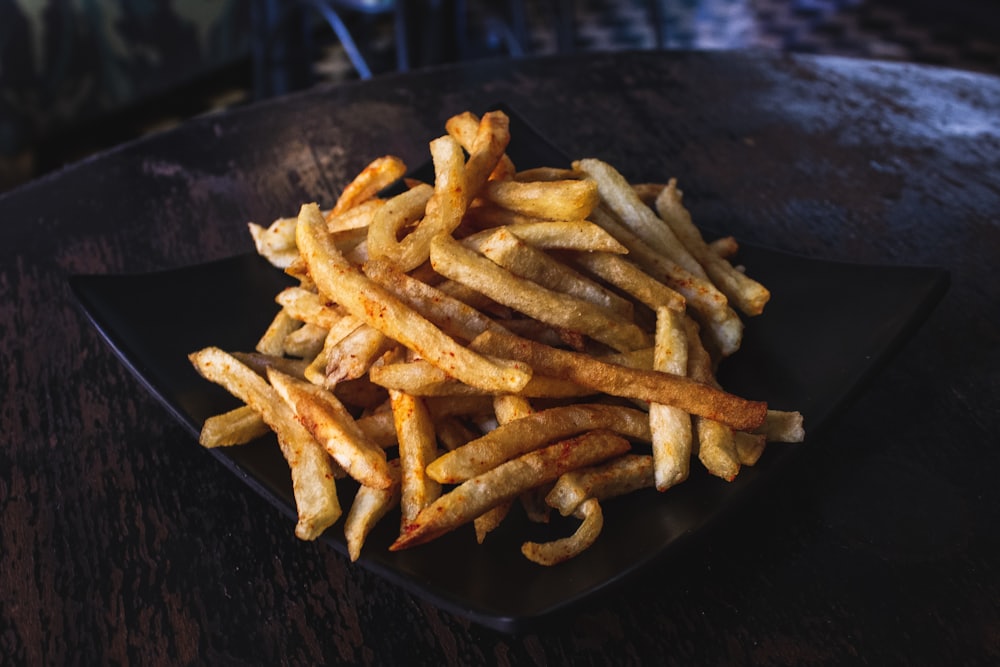
Thumbnail: Golden, shattering, and not a drop of oil in sight. This is physics, not magic.
How to Make Crispy Air Fryer Recipes Without Oil
There is a sound that cooks chase the way surfers chase waves: the dry, papery crackle of a perfectly crispy edge — the chickpea that shatters, the potato wedge that audibly crunches, the chicken skin that snaps. For a century, that sound had only one reliable author: hot oil. Deep frying is a brilliant technology, but it is also a heavy one — the calories, the splatter, the quart of used oil cooling sadly on the stove, waiting for a dignified death. So when the air fryer arrived, promising the crunch with little or no oil, the world leaned in and asked the only question that matters: okay, but is it actually crispy?
The honest answer is: yes — if you understand what crispiness actually is, and no — if you just throw wet food in a basket and hope. An air fryer is not a magic box; it is a small, fierce convection oven, and it obeys the laws of physics. Used naively, it produces "fine, I guess" roasted food. Used with intention, it produces genuinely shattering, golden, deeply browned results with zero added oil. This guide is the complete education: the science of the crunch, the seven rules that make it happen, eight real recipes to prove it, and the troubleshooting that saves you when it goes wrong. Preheat your skepticism; we're going to crack it open.
Part 1: What Crispiness Actually Is (The Two-Step Science)
Crispiness is not a flavor. It is a structure — a thin, dry, glassy shell on the outside of moist food — and that shell is built by two processes working together. The first is dehydration: the surface of the food must dry out completely, because water at the surface turns to steam, and steam is soft. As long as the surface is steaming, it cannot crisp; it can only simmer in its own humidity. The second is browning — the Maillard reaction, the cascade of chemistry between proteins and sugars that begins in earnest around 285°F (140°C) and produces the golden color and the roasted, toasty flavors we associate with fried food.
Now here is oil's real job, and understanding it is the key to replacing it. Oil is not what makes food crispy; oil is a heat-transfer medium. It clings to the surface, gets very hot very fast, and flash-dries the exterior while carrying heat efficiently into the browning zone. That's it. Which means anything that can (a) dry the surface and (b) hold the surface in the browning zone can create crispiness — and a cyclone of 400°F air, moving at high speed, is surprisingly good at both. The air fryer's fan is the secret: moving air strips away the steam layer that would otherwise hover around the food and keep it soggy. A regular oven leaves that humid blanket in place; the air fryer blows it off, continuously, from every direction.
So the entire art of oil-free crisping reduces to three levers you control: start with the driest possible surface, keep the air moving freely around every piece, and use enough heat for long enough to brown. Every rule, trick, and recipe in this article is just one of those three levers in a different costume.
Part 2: The Seven Rules of Oil-Free Crunch
Rule 1: Dry Is the Difference
Moisture is the enemy, full stop. Every recipe in this guide begins with patting the food ruthlessly dry with paper towels — tofu, chickpeas, chicken, salmon, washed vegetables, all of it. For the truly committed, the next level is air-drying: uncovered tofu or chicken wings on a rack in the fridge for an hour (or overnight) lets the surface desiccate like a desert wind. It feels like an extra step; it is actually the step. Wet food in an air fryer doesn't crisp — it steams, then leathers.
Rule 2: Space, or Steam
The second great killer of crunch is crowding. Pile food into a heap and the pieces steam each other, trapping the very humidity the fan is trying to remove. Cook in a single layer with visible space between pieces, and embrace batches — two quick rounds beat one soggy mountain every time. This is also why the basket's holes matter: air must pass through, not just around. When a recipe says "don't overcrowd," it is not being fussy; it is stating the law.
Rule 3: Starch Is Your Secret Coating
Without oil, you need a dry ally to build the shell, and starch is the greatest one in the kitchen. A whisper-thin dusting of cornstarch (or potato starch) clings to a damp surface, dries into a micro-crust, and fries crisp in the food's own moisture and heat. It is the entire secret of shattering tofu and glassy potato edges, and it costs a tablespoon. The technique: toss the dried food with a splash of something sticky (soy sauce, a squeeze of lemon, even its own dampness), then dust with starch and shake off every excess flake. Thin coating, glassy crunch; thick coating, dusty disappointment.
Rule 4: The Baking Powder Trick
For skins and legumes — chicken wings, chickpeas, crispy-skinned salmon — the pro move is a light dusting of baking powder (not baking soda; soda is too alkaline and tastes bitter). Baking powder gently raises the surface's pH, which accelerates browning and creates those tiny, delightful blisters on skin and chickpea shells. A teaspoon per pound, mixed with salt, tossed over thoroughly dried food, is enough. This is the trick that makes wings taste deep-fried while their own fat does all the work.
Rule 5: Heat With a Plan
Browning needs real heat, so don't baby the dial: most oil-free crisping lives at 380–400°F. Two refinements. First, consider preheating — three minutes is plenty — so the surface starts searing immediately instead of sweating through a slow warm-up. Second, use the hot finish: if food is cooked through but pale, blast the last two to three minutes at the top of the range and watch it turn gold. And a nuance the pros know: salt late. Salt draws moisture to the surface, and seasoned spices can burn at 400°F; salt and spice many oil-free foods after the crunch is built, and they'll be crispier and more flavorful for it.
Rule 6: Respect the Airflow (Shake, Flip, Rack)
The fan can only crisp the surfaces it can touch, so you must rotate the food through the airstream: shake the basket at the halfway mark, flip larger pieces with tongs, and lay flat-cut surfaces down first (a halved Brussels sprout crisps on its cut face). For fatty foods like wings, a small rack or trivet inside the basket lifts them out of their own rendered fat so they fry in air instead of sitting in it. And if you use liners, use only perforated ones, never covering the whole floor — a solid sheet of parchment turns your air fryer back into a sad little oven.
Rule 7: Let the Food Bring Its Own Fat
Finally, the honest loophole: "no added oil" includes foods that carry their own. Chicken skin renders fat as it cooks; salmon belly bastes itself; sausages and chickpeas' own starches do the rest. Some of the best "oil-free" air fryer results are simply fatty foods cooked in a machine that drains their fat away into the basket below — crispier than pan-frying, lighter than deep-frying. And for the lean foods — tofu, potatoes, kale — the first six rules carry them home.
Part 3: Eight Oil-Free Recipes That Actually Crunch
1. Shattering Chickpeas (The Gateway Drug)
Drain and rinse a can of chickpeas, then dry them obsessively — roll them in a clean towel and let them sit a few minutes. Toss with a teaspoon of baking powder and a pinch of salt, spread in a single layer, and air fry at 395°F for 14–18 minutes, shaking every five. They're done when they rattle like dice and crack under a fingernail. Then toss them warm with smoked paprika, garlic powder, cumin, or a sweet cinnamon-sugar pass. These keep the crunch for hours and will permanently end the canned-chickpea-as-sad-salad-topper era in your house.
2. Glassy-Edged Tofu Cubes
Press extra-firm tofu for 15–30 minutes (a heavy pan on top of a towel works), cube it, and toss with a tablespoon of soy sauce or tamari. Dust with about a tablespoon of cornstarch plus garlic powder, shaking off excess. Air fry at 400°F for 12–15 minutes, shaking twice, until the corners are golden and the cubes knock together with a hollow tap. Finish with a splash more soy, a squeeze of lime, or a toss in your favorite sauce after crisping — the shell will hold its crunch through a quick glaze. This is the recipe that converts tofu skeptics, because it replaces "soggy white cube" with "crackly little protein nugget."
3. No-Oil "Fried" Potato Wedges
Cut potatoes into even wedges and soak them in cold water for 30 minutes — this rinses off surface starch, which is what makes fries go limp. Drain, then dry them truly well. Toss with a light dusting of cornstarch, salt, and paprika. Air fry at 400°F for 18–24 minutes, shaking every six, until the edges are blistered and a fork meets a shell before the fluffy interior. For next-level results, par-boil the wedges five minutes first until the surfaces turn slightly fuzzy — that roughened starch layer crisps into something indistinguishable from a chip shop's best work.
4. Crispy-Skin Chicken Wings (The Baking Powder Showpiece)
Pat two pounds of wings bone-dry, then toss with a tablespoon of baking powder (aluminum-free) and a teaspoon of salt. If you have time, rest them uncovered on a rack in the fridge for an hour — the surface will turn tacky-dry, which is gold. Air fry at 380°F for 12 minutes, flip, then 400°F for 10–12 more until deeply golden and snapping crisp. The skin blisters and shatters while the fat renders into the basket below; sauce them afterward, or not — honestly, with a squeeze of lemon and a pinch of flaky salt, they're perfect naked.
5. Charred-Edge Broccoli
Dry broccoli florets thoroughly, cut with flat faces where possible, and spread with real space between pieces. Air fry at 400°F for 8–10 minutes, shaking once, until the tips of the florets go dark and crispy — those browned frilly edges are the entire point, and they taste like the best corner of a roasted vegetable tray. Finish with lemon zest, garlic powder, parmesan, or a shower of chili flakes. Cauliflower obeys the same law, and rewards the same treatment with nutty, popcorn-adjacent edges.
6. Brussels Sprouts, Cut-Side Down
Halve sprouts through the stem, pat dry, and lay them cut-side down in the basket so the flat face sears into a caramelized crust while the leaves at the edges turn into crispy little chips. 390°F for 12–14 minutes, no shake until the end (let the crust form), then toss and finish with a splash of balsamic or soy after cooking. People who have publicly hated Brussels sprouts for decades have quietly asked for seconds of these. Witnessed. Multiple times.
7. Crispy-Skin Salmon
Pat fillets dry, salt the skin, and place them skin-side down in the basket (no oil needed — the belly fat renders and fries the skin from beneath). Air fry at 400°F for 7–9 minutes depending on thickness, and resist every urge to poke or move them; the skin releases itself when it's ready, leaving a crackling, lacy crust under tender flesh. Finish with lemon and dill, or a quick miso-lemon glaze brushed on in the last two minutes. This is restaurant technique — dry skin, hot pan, don't touch — translated perfectly to moving air.
8. Kale Chips (The Delicate One)
Kale is the exception to the hot-and-fast rules: thin leaves burn before they brown, so go lower and watchful. Wash and then completely dry the leaves (a salad spinner plus towels), tear into pieces, and strip out the thick stems. Air fry at 325–350°F for 3–6 minutes, checking at the three-minute mark like a hawk; they're done when crisp to a light touch, and they crisp further as they cool. Season after with nutritional yeast, salt, or smoked paprika. It's the one recipe here that demands your full attention — and repays it with a bowl of green that eats like a chip.
Bonus: The Reheat Miracle
No oil-free article is complete without the air fryer's true superpower: resurrection. Yesterday's pizza at 375°F for 3–4 minutes returns with a crackling base and molten top; dead fries at 375°F for 3–5 minutes with a shake come back crunchier than they were born; fried chicken, egg rolls, and roasted vegetables all revive the same way. The microwave steams leftovers into grief; the air fryer hands them back their dignity. This alone justifies the counter space.
Part 4: Flavor Without Fat (Because Oil Carried More Than Calories)
Here is the subtle loss nobody mentions when oil leaves: oil was also carrying your flavors. Fat-soluble aromatics and the mouthfeel of fat made seasoned food taste rounded and rich. So in oil-free cooking, flip the strategy — build flavor in two waves. Wave one is dry and heat-stable, applied before cooking: garlic and onion powder, smoked paprika, cumin, dried herbs, a little sugar for browning. Wave two is bright, wet, or delicate, applied after the crunch is safe: a squeeze of lemon or lime, a splash of soy or hot sauce, fresh herbs, citrus zest, grated parmesan, nutritional yeast, furikake, za'atar, a dusting of chili powder. The hot, crisp surface grabs onto wave two instantly, and you get brightness that fried food never had.
And keep a small arsenal of dipping sauces — yogurt-garlic, peanut-lime, tahini-lemon, a quick salsa verde — because crunch plus a cool, creamy dip is one of the great sensory pairings in food, and it needs no oil to work. You are not subtracting anything from your cooking. You are rearranging when the flavor arrives.
Part 5: Troubleshooting the Crunch
- Soggy instead of crispy: the surface was wet, the basket was crowded, or the heat was too low. Dry harder, space wider, heat higher — in that order.
- Burnt outside, raw inside: pieces too thick at too high a heat. Cut smaller, drop to 360–375°F, and finish hot at the end.
- Crispy on one side only: you didn't shake or flip. The fan crisps what it touches; rotate the food through the airstream.
- Dusty or chalky coating: too much starch. The dusting should be a whisper; shake off every visible flake before cooking.
- Bland: you salted and spiced too early and the heat punished you. Season in two waves — heat-stable before, bright and salty after.
- Tough and leathery: overcooked past crisp into dry. Crisp is a window, not a destination; check two minutes earlier than you think.
- Bitter taste on wings or chickpeas: you used baking soda instead of baking powder. One letter, very different chemistry.
Part 6: Frequently Asked Questions
Do I really never need oil? For everything in this guide, genuinely no. But honesty corner: a one-second spray of oil improves a few stubborn items (bare breadcrumbs, some frozen foods) by helping browning and carrying flavor. "No oil" is fully achievable; "no added oil" — letting fatty foods self-fry — is the easier, equally legitimate win. Choose your version; both beat the deep fryer.
Why won't my food brown? Usually one of three culprits: the surface stayed wet (steam caps the temperature at 212°F until it's gone), the basket was crowded, or the food lacks browning fuel — a pinch of sugar or a protein-rich surface helps Maillard along. Dry, space, heat, and a little sugar or baking powder solve nearly every pale dinner.
Is an air fryer just a small oven? It's a small, fierce convection oven — the fan is faster, the cavity smaller, and the air strikes the food from all sides through the basket. That airflow is the whole difference between "roasted, I guess" and "crackling." You can approximate it in a big oven with a rack, a hot fan setting, and heroic spacing, but the air fryer does it natively.
Parchment or foil? Only perforated parchment made for air fryers, and never during preheat (loose paper can fly into the element). A solid sheet blocks the floor airflow and quietly cancels your crunch. When in doubt, skip the liner and rinse the basket — crispiness beats convenience-by-liner.
What about frozen foods? Frozen vegetables crisp beautifully oil-free (they're blanched and dry-ish; just add time and shake). Be aware that frozen fries and nuggets usually already carry factory oil — they'll crisp gorgeously, but "no oil" becomes "no added oil." Read the bag if purity matters to you.
Is oil-free air frying actually healthy? It's a genuine upgrade in two ways: dramatically less added fat than frying, and — less obviously — the machine drains away fat that was already in the food, into the basket you'll wash. Just keep the same adult awareness: crispy is still browned starch and fat, delicious is still delicious, and vegetables remain the best thing you'll ever make crackle.
Conclusion: The Sound Is the Point
Somewhere in your first week of oil-free air frying, it will happen: you'll tip a batch of chickpeas or wedges into a bowl, and instead of a soft heap-thud, you'll hear it — a dry, papery, glittering rattle, the sound of a thousand tiny crisp shells knocking together. You'll eat one standing at the counter, eyes closed, and the crunch will be loud enough to embarrass you in front of your family. That sound is the whole thesis of this article, proven in your own kitchen: crispiness was never the oil's gift. It was always physics — dry surfaces, moving air, honest heat — and now it belongs to you.
So start tonight with the chickpeas: one can, one towel, one teaspoon of baking powder, eighteen minutes. Then the tofu, then the wedges, then the wings that taste like a cheat day without the cheat. Your air fryer stops being a gadget that reheats fries and becomes what it was always meant to be — a small, fierce wind tunnel of golden, shattering, oil-free joy. Listen for the rattle. That's the sound of it working.