
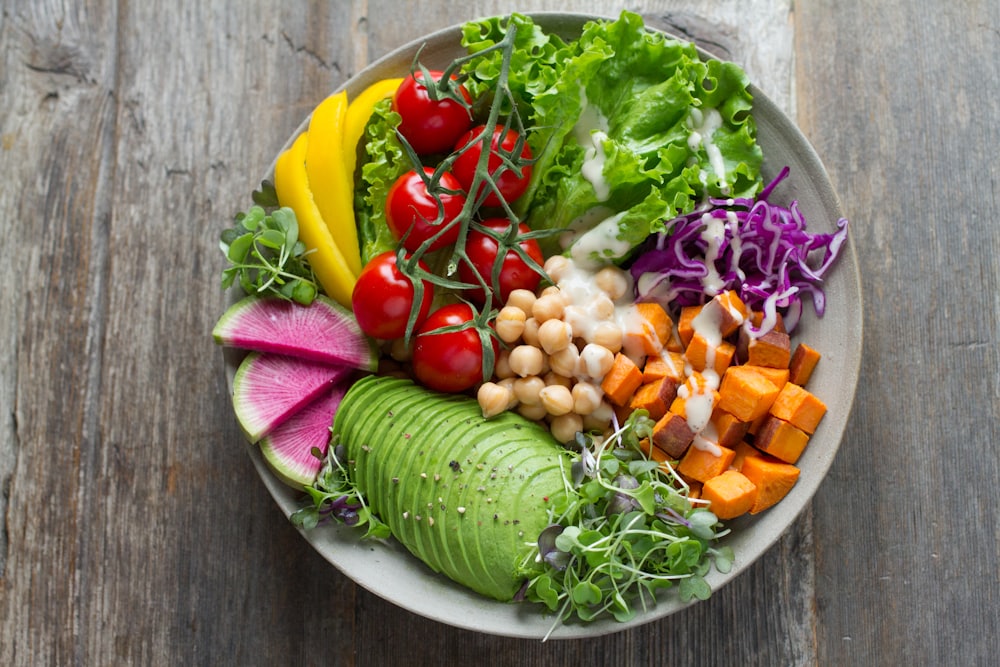
Thumbnail: A week of calm, portioned and waiting. Ninety minutes of Sunday for five nights of peace.
How to Meal Prep for the Week in Just 90 Minutes
It is 5:30 PM on a Tuesday. You just walked through the front door carrying the weight of the entire day. Your feet ache, your inbox is still glowing in your memory, and someone — maybe a child, maybe a partner, maybe your own empty stomach — asks the most dangerous question in the modern household: "What's for dinner?" You open the fridge. It is full of ingredients, but none of them look like a meal. A half onion. A wilting bag of spinach. Chicken thighs you forgot to thaw. You are too tired to chop, too hungry to wait forty minutes, and too broke to order takeout for the fourth time this week. So you eat cereal. Or a handful of almonds and a slice of cheese standing over the sink. And you go to bed feeling like you failed at the most basic adult task there is.
Let me stop you right there, because I need you to hear this: you did not fail. The system failed you. Nobody can make good food decisions at 5:30 PM on a Tuesday with a depleted brain. That is not a willpower problem; it is a biology problem. Decision fatigue is real, and by the evening, your capacity to plan, chop, cook, and clean is functionally gone. The only reliable solution is to move the decision-making and the cooking to a time when you actually have energy — and that is exactly what meal prep is. Not a punishment. Not a fitness-influencer performance. A quiet act of kindness that Sunday-you performs for exhausted Tuesday-you.
Now, here is the part most people get wrong. When they hear "meal prep," they picture a six-hour Sunday ordeal: five complicated recipes, a sink full of pans, twelve identical plastic containers of the same sad chicken and broccoli, and by Wednesday, a deep food fatigue that sends them to the drive-thru anyway. That version of meal prep is a trap. It is too much work, too much cleanup, and too much sameness. And it is precisely why most people quit meal prepping within two weeks.
This guide teaches a different way. A way that takes exactly ninety minutes. A way that does not require you to be a good cook, to love cooking, or to eat the same meal five times. A way built on components instead of recipes, on overlap instead of marathon effort, and on sauces instead of suffering. By the end of this article, you will have a complete, repeatable system: what to buy, what to cook, in what order, minute by minute, and how to store and reheat it so that Thursday's lunch tastes like a gift instead of a sentence. Let's begin.
Part 1: Why Traditional Meal Prep Fails
Before we build the new system, we need to understand why the old one collapses. Because if you don't understand the failure points, you will repeat them, and you will blame yourself instead of the method. The traditional approach to meal prep has three fatal flaws, and none of them are your fault.
Flaw One: Recipe Prep Instead of Component Prep
Most people meal prep by cooking full recipes: a lasagna, a stir-fry, a curry, a casserole. The problem is that recipes are designed to be eaten the moment they are cooked. They are fragile. Breaded chicken goes soggy in a container. Pasta absorbs all the sauce and turns to glue by Wednesday. A stir-fry that was crisp at 6 PM on Sunday is limp and watery by the time you microwave it on Tuesday. When you prep full recipes, you are fighting against the physics of stored food, and the food always wins.
There is a second problem with recipe prep: it is slow. Five different recipes means five different cooking processes, five sets of pans, five rounds of cleanup. That is why traditional meal prep takes five or six hours. You are essentially running a small restaurant kitchen by yourself, and no sane person wants to do that on a Sunday.
Flaw Two: The Sameness Trap
Human beings experience something called sensory-specific satiety. It is the neurological phenomenon where the more you eat of one flavor and texture, the less pleasure you get from it, until eventually the sight of it triggers mild revulsion. This is why eating the identical chicken-and-broccoli container for five straight days ends in a pizza order on Thursday night. It is not a lack of discipline. It is your brain doing exactly what brains do. A meal prep system that ignores food fatigue is a system designed to fail.
Flaw Three: The Perfectionism Collapse
Traditional meal prep is all-or-nothing. You either prep all five dinners perfectly, or you "failed" and might as well eat out all week. So the week you only have forty-five minutes instead of ninety, you do nothing. The week your grocery order arrives late, you do nothing. The system has no gears between "perfect" and "nothing," so it spends most of its life in "nothing." A sustainable system needs partial credit. It needs to let you do a smaller version and still win the week.
These three flaws — fragile recipes, brutal sameness, and brittle perfectionism — are exactly what the component method was designed to eliminate. So let's talk about the method that fixes all of them.
Part 2: The Component Method (The Heart of the System)
Here is the shift that changes everything: stop cooking recipes on Sunday. Instead, cook components — simple, versatile building blocks that can be combined in different ways all week. Think of a salad bar, or a burrito assembly line, or a sushi restaurant's prep station. The kitchen isn't cooking "meals" in advance; it's preparing a handful of excellent ingredients that can become dozens of meals depending on how they're combined.
When you prep components, you solve all three flaws at once. Components store beautifully, because each one is cooked simply and seasoned lightly, so it can be redirected into different flavor profiles later. Components eliminate sameness, because the same chicken can be a taco on Tuesday, a noodle bowl on Wednesday, and a salad on Thursday. And components allow partial credit, because even two components bought you options for the week.
The 2-2-3-2 Formula
To keep the ninety-minute timeline honest, you must restrict your scope. If you try to cook ten things, you will blow past the timer and hate your life. The formula is deliberately small:
- Two proteins. One fast-cooking (chicken thighs, tofu, shrimp, ground meat) and one slow or no-cook (a roast, beans, lentils, or a store-bought rotisserie chicken you shred).
- Two carbohydrates. One stovetop grain (rice, quinoa, pasta, farro) and one roasted root or alternative (sweet potatoes, baby potatoes, squash).
- Three vegetables. Two that roast well (broccoli, peppers, zucchini, carrots, green beans) and one fresh or quick-pickled for crunch (cabbage, cucumber, carrots).
- Two sauces. The flavor engines. This is non-negotiable. Sauce is where the magic lives.
That's it. Nine items. Two proteins, two carbs, three vegetables, two sauces. From those nine components, you can assemble ten or more genuinely different meals across the week, because the combinations multiply. Chicken plus rice plus broccoli with peanut sauce is one meal. The same chicken shredded into tortillas with the pickled vegetables is a completely different meal. The same rice with beans and a salsa verde is a third. You are not eating leftovers; you are remixing ingredients.
Why Sauces Are the Magic
If you remember only one thing from this entire guide, remember this: plain components plus a great sauce tastes like takeout; plain components plus no sauce tastes like a diet. Sauce is flavor, moisture, and identity all at once. The exact same chicken, rice, and broccoli becomes Thai food with a spicy peanut sauce, Mediterranean food with a lemon-tahini yogurt sauce, Mexican food with a charred salsa crema, and Japanese food with a sesame-ginger drizzle. Your components are the canvas; your sauces are the paint.
And here is the beautiful part: most great sauces take five minutes and require no cooking. A vinaigrette is oil, acid, and seasoning shaken in a jar. A crema is sour cream or yogurt blended with salsa and lime. A peanut sauce is peanut butter, soy sauce, lime, honey, and a splash of warm water whisked together. You can make both of your weekly sauces in the time it takes the oven to preheat. Sauces are the highest return-on-investment item in the entire kitchen, and they are the reason your prepped food will taste like something you'd pay for.
Part 3: The Strategic Grocery Run
Your ninety-minute Sunday actually begins at the grocery store. If you spend an hour wandering the aisles deciding what to buy, you have already lost the week. The list is written from the formula, not from inspiration. Before you go, decide your flavor theme for the week (we'll cover three blueprints in Part 5), and write the list to match it. When you shop, walk the perimeter first — produce, meat, dairy — and dip into the middle aisles only for your grain, canned beans, and pantry sauce ingredients.
Embrace the Cheat Codes
There is a toxic myth in food culture that everything must be made from scratch to count as "real cooking" or "healthy eating." This myth is the enemy of the ninety-minute prep, and it is not true. Your goal is to feed the people you love nutritious, affordable food all week — not to win a culinary purity contest. Every shortcut you buy is minutes returned to your life. Use them shamelessly:
- Pre-washed bagged salads and slaw mixes (zero chopping).
- Frozen, pre-chopped vegetables and frozen rice or cauliflower rice.
- Minced garlic and ginger in jars instead of peeling and mincing.
- A rotisserie chicken, shredded by hand in three minutes, as one of your two proteins.
- Canned beans, rinsed and seasoned, as a no-cook protein.
- High-quality bottled sauces and marinades to use as bases for your two sauces.
- Pre-cooked grains in pouches if the stovetop is already crowded.
If spending three extra dollars on pre-diced onions saves you fifteen minutes of chopping and crying, it is the best three dollars you will spend all week. The people who meal prep successfully for years are not more skilled than you; they are simply less attached to doing things the hard way.
The Budget Truth
Let's also be honest about money, because food anxiety is real. Component prep is one of the most powerful money-saving systems available to a household, for three reasons. First, you buy a short, focused list instead of wandering and impulse-buying. Second, you use everything you buy — the formula is designed around overlap, so nothing wilts unused in the crisper drawer. Third, and biggest, you eliminate the 5:30 PM takeout tax. A single delivery order often costs more than the entire grocery list for a week of components. When Wednesday night's dinner is already in your fridge, you are not saving willpower; you are saving forty dollars, and over a month that is a utility bill, a car payment chunk, or a real contribution to your savings.
Part 4: The 90-Minute Sunday Timeline
This is the engine of the whole system. Put on your playlist, pour yourself something nice, tie on an apron, and run the clock. The secret to the ninety minutes is overlap: you will never be doing just one thing. You are the air traffic controller of a small kitchen, and every task you start buys you hands-free time for the next task. Follow the blocks in order and do not skip the timers.
Minutes 0–15: Setup, Heat, and the Long Cooks
Do not start chopping. First, turn the oven on to 425°F (220°C) — a hot oven roasts; a lukewarm oven steams. Put a pot of water on for your grain, or start the rice cooker. Line two large sheet pans with parchment paper or foil; this single act saves you twenty minutes of scrubbing later and is one of the greatest gifts you can give your future self. Wash all your produce and lay it out on the counter. Get your containers, cutting board, and sharpest knife ready. Start anything that cooks long: the grain on the stove, the roast or beans if that's your second protein. Every minute of this block is spent buying yourself hands-free time later.
Minutes 15–35: The Chop and the Roast
Now you chop. You are cutting your two roasting vegetables and your root carbohydrate into even, bite-size pieces. Even size matters more than pretty knife work — uniform pieces cook uniformly, and that is all that matters. Toss everything in olive oil, salt, and pepper (and any dry spice that matches your week's theme), and spread it across your two sheet pans.
Here is the rule that makes or breaks roasted vegetables: do not crowd the pan. If the pieces are touching, they steam instead of roast, and you get sad, soggy vegetables instead of caramelized, sweet-edged ones. Give them space; use a third pan if you must. Slide the pans into the oven and set a timer for 25 minutes. You have just bought yourself twenty-five completely hands-free minutes. This is where the system starts to feel like magic.
Minutes 35–60: Proteins and Sauces
While the oven works, cook your fast protein. Season your chicken thighs, tofu, or ground meat and get it going in your largest skillet or on a third sheet pan. Chicken thighs take about twenty minutes; ground meat about ten; tofu about twenty. While the protein sizzles, make your two sauces. Remember: most sauces are just whisking. Jar, ingredients, shake, taste, adjust. Taste your sauces with a spoon and ask one question: does it make you want another bite? If it's flat, it needs acid (lime, lemon, vinegar). If it's sharp, it needs sweetness or fat. If it's boring, it needs salt. That's the entire art of sauce, and you now know it.
Check your grain. When it's done, take it off the heat, fluff it with a fork, and leave the lid on — it will finish steaming gently and stay warm without any further attention from you. By minute sixty, the oven timer is about to go off, your protein is nearly done, your grain is resting, and your sauces are in jars. Look at what you've accomplished without ever feeling rushed. That is the power of overlap.
Minutes 60–75: The Cool-Down (The Step Everyone Skips)
Pull the sheet pans out and take the protein off the heat. Now comes the step that separates crisp, fresh-tasting meal prep from soggy, sad meal prep: let the food cool before you lid it. Hot food in a sealed container creates steam; steam creates condensation; condensation creates soggy vegetables and watery sauce pools by Tuesday. Spread everything out on the pans and give it fifteen to twenty minutes of open-air cooling. Use this time to wash your pans (while they're still warm and easy), wipe the counters, and lay out your containers in a row like an assembly line. The kitchen should be nearly clean before you pack a single container. This is what makes the system feel peaceful instead of chaotic.
Minutes 75–90: The Assembly Line and the Decision
Now you pack, and you have two strategies. Choose based on your life. Strategy A: individual bento boxes. Portion protein, carb, and vegetable into single containers, one per meal. This is best if you grab-and-go for work or school, because each box is a complete decision already made. Keep the sauces in small separate jars or lidded cups and add them at eating time. Strategy B: bulk containers. Store each component in one large container and assemble meals fresh each night. This is best if you eat at home and want maximum remix flexibility, and it's often better for families with different appetites.
Either way, keep sauces separate until eating time, keep anything crispy or fresh (slaw, herbs, avocado) uncut or unpacked, and label anything going to the freezer with the date. Snap the lids, load the fridge, and stop. Look at the clock: ninety minutes. Look at the fridge: a week of calm. Pour yourself something cold and sit down. You just did the thing that used to take six hours, and your kitchen is already clean. That feeling — part pride, part disbelief, part relief — is the feeling that makes people meal prep for life.
Part 5: Three Master Flavor Profiles (So You Never Get Bored)
The formula is the skeleton; the flavor profile is the personality. Each week, pick one theme and let it dictate your spices and sauces. Here are three blueprints that are cheap, family-friendly, and remixable across a full week.
Blueprint 1: The Mediterranean Week
- Proteins: lemon-oregano baked chicken thighs; canned chickpeas, rinsed and tossed in olive oil and smoked paprika.
- Carbs: quinoa or couscous; roasted baby potatoes.
- Vegetables: roasted zucchini and cherry tomatoes; fresh cucumber and red onion, quick-pickled in lemon juice.
- Sauces: tzatziki (yogurt, grated cucumber, garlic, dill, lemon); a simple lemon-oregano vinaigrette.
- The remixes: Monday, chicken-potato-tzatziki bowls. Tuesday, a cold quinoa salad with chickpeas, cucumber, and vinaigrette. Wednesday, chicken and veggies wrapped in warm pita. Thursday, chickpea-potato hash with a fried egg on top. Friday, "Greek boards" — everything on a platter with bread and olives.
Blueprint 2: The Tex-Mex Week
- Proteins: cumin-chili seasoned ground turkey or beef; seasoned black beans.
- Carbs: cilantro-lime rice; roasted sweet potato cubes.
- Vegetables: roasted bell peppers and onions (fajita style); shredded raw cabbage slaw.
- Sauces: salsa verde; avocado-cilantro crema (sour cream blended with cilantro, lime, and a spoon of salsa).
- The remixes: Monday, classic burrito bowls. Tuesday, fajita skillet with peppers, onions, and meat reheated together. Wednesday, tacos or quesadillas with cabbage slaw and crema. Thursday, sweet-potato-and-black-bean hash topped with an egg. Friday, "nachos night" — everything piled on tortilla chips with cheese under the broiler.
Blueprint 3: The Sesame-Ginger Week
- Proteins: soy-ginger baked tofu or salmon; shelled edamame.
- Carbs: jasmine rice or soba noodles; roasted broccoli.
- Vegetables: roasted broccoli and carrots; fresh shredded cabbage and scallions.
- Sauces: spicy peanut sauce (peanut butter, soy, lime, honey, chili); sesame-soy drizzle with ginger.
- The remixes: Monday, hot rice bowls with broccoli and sesame drizzle. Tuesday, cold soba noodle salad with peanut sauce and edamame. Wednesday, lettuce or cabbage wraps with tofu and peanut sauce. Thursday, "fried rice" — rice, egg, edamame, and carrots in a hot pan. Friday, noodle soup night — broth poured over noodles, protein, and vegetables.
Notice what just happened: with nine components and two sauces, each blueprint produced five genuinely different dinners. Same ingredients, different vessels, different sauces, different temperatures. That is how you defeat food fatigue without cooking five recipes. You are not repeating meals; you are remixing a small, excellent inventory.
Part 6: The Science of Storage (Why Thursday Tastes Like Tuesday Should)
How you store your food determines how it tastes on day four. If you've ever reheated a meal and found it rubbery, watery, or tasting faintly of old plastic, you've experienced bad storage science. A few principles fix almost all of it.
Choose Glass If You Can
Glass containers are the single best upgrade in meal prep. They are non-porous, so they never absorb tomato stains or last week's onion smell. They go from fridge to oven or microwave without leaching anything into your food. They make your fridge look organized, which — honestly — motivates you to eat the food. If you must use plastic for portability, choose BPA-free containers and never microwave food in them; transfer to a plate or bowl first.
Respect the Danger Zone
Bacteria multiply fastest between 40°F and 140°F. That means cooked food should not sit out for more than two hours total, including your cooling time. The fifteen-to-twenty-minute cool-down is fine; an hour on the counter while you watch a show is not. Get lids on and get containers into the fridge within the window. And cool things shallow and spread out rather than in one deep mass — a deep block of hot rice in the middle of a container can stay warm for hours even inside the fridge.
Keep Wet and Dry Apart
Moisture is the enemy of texture. Store sauces separately and add them at eating time. Keep fresh, crisp items (slaw, herbs, avocado, nuts, crispy toppings) uncut or in their own small container. If a meal has both juicy elements (tomatoes, salsa) and absorbent ones (rice, greens), keep them in separate compartments or add the juicy part at the last minute. Ten seconds of assembly at lunchtime buys you four days of texture.
The Freezer Is Your Thursday Insurance
Cooked food is safest and best within three to four days in the fridge. If you prep on Sunday for a Monday-through-Friday week, eat the fresh portions Monday through Wednesday and freeze the Thursday and Friday portions on Sunday night. Soups, saucy proteins, grains, and roasted root vegetables freeze beautifully; leafy greens and creamy dairy sauces do not. Move frozen meals to the fridge the night before you want them. This one habit eliminates the "day-five weird taste" complaint entirely and stretches your prep across the whole week.
Part 7: Reheating Without Ruining
The microwave is not a torture device; it's just misunderstood. Microwaves heat by vibrating water molecules, which means two things. First, food that has dried out in the fridge has no water left to vibrate, so the microwave destroys its texture instead of warming it — that's the rubbery chicken effect. Second, microwaves heat unevenly, creating molten edges and frozen centers. Both problems have simple fixes.
Add moisture. Before reheating, add a splash of water, broth, or sauce to the container, or cover it with a damp paper towel. You are rebuilding a little steam chamber, and steam rehydrates as it warms. Lower the power. Reheat at 50–70% power for a longer time instead of full blast for three minutes. It costs you one extra minute and saves you the texture of shoe leather. Stir halfway. Stirring redistributes heat and kills the cold spots. For rice and grains, a fork-fluff halfway through makes them taste freshly steamed.
And when you're eating at home and want crispness back — crispy chicken skin, roasted vegetable edges, potato cubes — skip the microwave entirely. Five to eight minutes in a hot air fryer or a 400°F oven restores the browning and crunch that the fridge stole. This is the difference between "reheated leftovers" and "tonight's dinner." Your family will not believe it's the same chicken.
Part 8: Troubleshooting the Classic Disasters
Even with a good system, things go wrong sometimes. Here are the five most common meal prep failures and their fixes, so a bad batch never kills your momentum.
- Soggy roasted vegetables. You crowded the pan or lidded them hot. Fix: space the pieces out, roast at high heat, and cool fully before sealing.
- Dry, rubbery chicken. You overcooked lean breasts. Fix: switch to thighs, which forgive every mistake; or brine breasts in salted water for thirty minutes and pull them at 155°F — carryover heat finishes them to a safe temperature while they rest.
- Mushy or crunchy rice. Wrong water ratio or lid-lifting. Fix: trust the ratio, keep the lid on, and rest it off the heat for ten minutes before fluffing.
- Bland food. Cold food tastes blander than hot food, because your taste buds are less sensitive at lower temperatures. Fix: season slightly more aggressively than feels polite during cooking, and let the sauces do their job at eating time.
- Family resistance. Stop pre-portioning identical boxes. Store components in bulk containers and run a "build-your-own" bar at dinnertime — bowls, wraps, or salads assembled to order. Autonomy turns meal prep from a forced march into a fun ritual, and picky eaters eat dramatically more when they assemble their own plate.
Part 9: Frequently Asked Questions
Can I meal prep if I genuinely hate cooking? Yes — and you're exactly who the cheat codes are for. Buy the rotisserie chicken, the frozen vegetables, the microwaveable rice pouches, and two good bottled sauces. Your "ninety-minute prep" becomes a thirty-minute assembly session of portioning and labeling. The goal is nourishment and calm evenings, not culinary glory. Nobody is grading you.
I'm vegetarian or vegan — does this work? It works even better. Plant proteins like tofu, tempeh, beans, lentils, and edamame meal prep beautifully, often taste better after a day or two of marinating, and are dramatically cheaper than meat. Swap them into the protein slots and everything else stays identical.
How much will this actually save me? It varies by household, but most people report saving $100–$300 per month, almost entirely by eliminating unplanned takeout and reducing grocery waste. Track your delivery-app orders for one month before you start, and again for one month after. The difference is your answer, and it's usually shocking.
What if I only have 45 minutes this week? Do a half-prep: one protein, one grain, two vegetables, one sauce. That's still three or four rescued dinners, and it keeps the habit alive. The system has partial credit by design. A smaller prep that happens beats a perfect prep that doesn't.
What if I blow a week and order pizza three nights? Nothing. Truly nothing. The components keep, the system waits, and next Sunday you try again. Meal prep is a practice, not a performance. One imperfect week does not erase the calm ones. Forgive yourself fast and restart fast — that is the entire skill.
Conclusion: The Gift of Time
Here is what nobody tells you about the real reward of meal prep: it isn't the food. The food is wonderful — healthier, cheaper, more delicious than the chaos it replaces — but the food is not the point. The point is Tuesday at 5:30 PM. The point is walking through the door exhausted and opening the fridge to find dinner already decided, already made, already waiting for you like a small act of love from a person who knew exactly how tired you'd be. The point is the argument you don't have, the delivery app you don't open, the cereal you don't eat standing over the sink.
Ninety minutes on Sunday is a tiny price for all of that. It is, quite literally, one of the best trades available in adult life: ninety minutes of gentle, playlist-backed cooking in exchange for five calm evenings, a healthier week, a lighter grocery bill, and a quiet little surge of pride every time you snap a lid and slide a container onto the shelf.
So pick your flavor blueprint this week. Write the short list. Shop the perimeter. Set the timer on Sunday, put on the music, and let the oven do half the work while you do the other half. Accept that your first attempt will be imperfect — the chicken may be a little overdone, the sauce may need more lime, the rice may be slightly sticky. That is not failure; that is week one. By week three you'll move through the kitchen like a line cook, and by week four you'll wonder how you ever survived the old way.
Your future self is already standing at that open fridge on Tuesday night, looking at the container with your name on it, exhaling with relief. Go be the person who put it there. You've got ninety minutes. You've got this.